
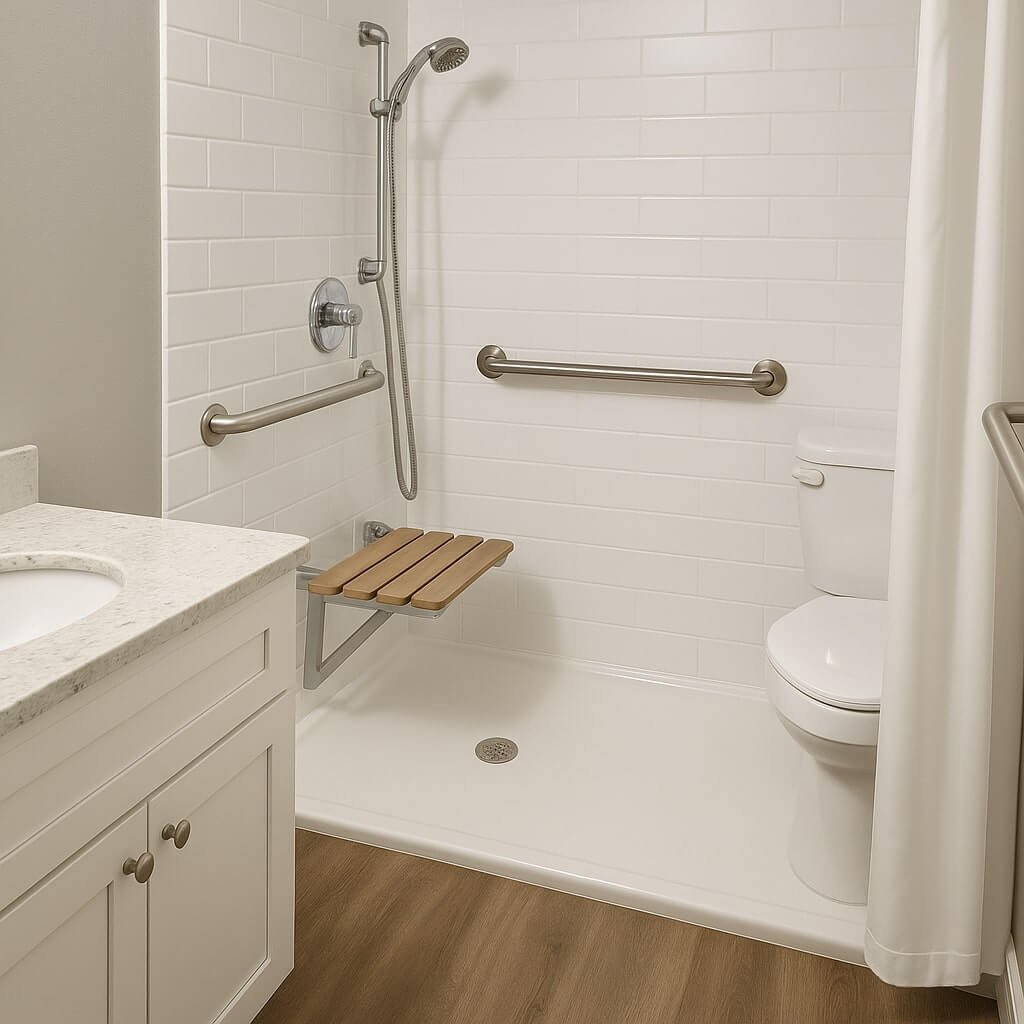
If you’re considering bathroom remodeling for improved safety, you might wonder what Medicare covers for seniors. While Medicare generally doesn’t fund renovations, certain modifications deemed medically necessary could qualify for assistance. Features like grab bars, walk-in tubs, and roll-in showers can enhance accessibility and safety. Understanding eligibility criteria is essential, so let’s explore which specific modifications might be covered and how to navigate the process effectively.
Key Takeaways
- Medicare may cover bathroom modifications if they are medically necessary for improving safety and mobility due to a medical condition.
- Key features like grab bars, non-slip flooring, and shower seating are considered when assessing medical necessity for coverage.
- Installation costs for grab bars may be partially covered by Medicare if deemed medically necessary to enhance bathroom safety.
- Home modifications must align with Medicare guidelines, so consulting with healthcare providers and Medicare representatives is essential.
- Exploring additional financial assistance options, such as Medicaid and state programs, can help cover home modification costs beyond Medicare.
Understanding Medicare Coverage for Home Modifications
When considering home modifications like bathroom remodeling, it’s vital to understand how Medicare covers these changes.
Medicare eligibility typically doesn’t extend to home modifications unless deemed medically necessary. You’ll need to check the home modification guidelines to see if your project aligns with Medicare’s criteria.
For instance, if a modification is essential for improving your safety and mobility due to a medical condition, it may qualify for coverage.
Always consult your healthcare provider and Medicare representatives to clarify what’s included and to guarantee you meet all requirements.
This way, you can make informed decisions regarding necessary bathroom renovations.
Key Bathroom Safety Features for Seniors
To guarantee a safe bathing experience for seniors, incorporating essential bathroom safety features is crucial.
Start with non-slip flooring to reduce the risk of falls, ensuring a secure surface even when wet. Additionally, consider installing shower seating, which provides a stable place to sit while bathing, promoting independence and comfort.
It’s also beneficial to keep pathways clear and well-lit to enhance visibility. Using a handheld showerhead can further aid in accessibility, allowing for easier washing.
These features collectively create a safer and more accommodating bathroom environment for seniors, enhancing their overall well-being and confidence during daily routines.
Grab Bars: Installation and Benefits
Incorporating grab bars into your bathroom design considerably enhances safety for seniors.
These bars come in various types, including vertical, horizontal, and angled, each serving different needs.
Installing grab bars typically involves mounting them securely to the wall, ensuring they can support weight effectively.
Installation costs can range from $100 to $300, depending on the type and location, but they’re a worthwhile investment in safety.
Medicare may cover some installation costs if deemed medically necessary.
Walk-In Tubs: Enhancing Accessibility
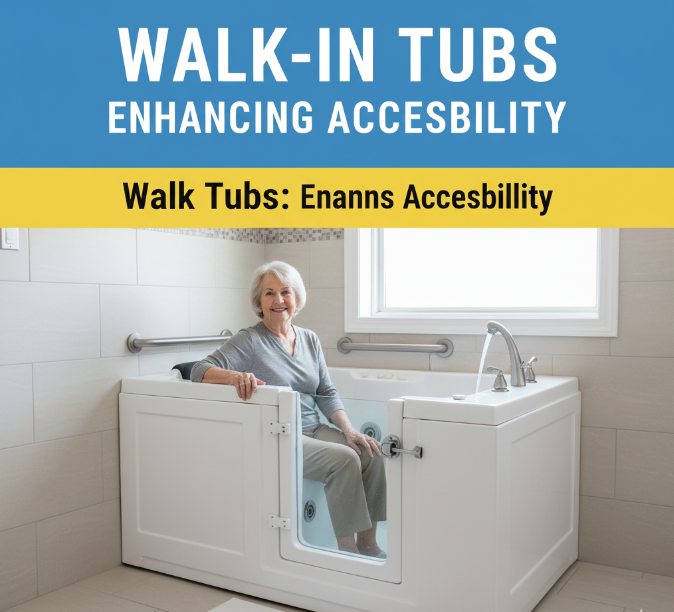
Since many seniors face challenges with traditional bathtubs, walk-in tubs offer a practical solution for enhancing accessibility and safety in the bathroom.
These tubs provide several walk-in advantages that improve tub safety, including:
- Low entry threshold for easy access
- Built-in grab bars for stability
- Non-slip surfaces to prevent falls
- Comfortable seating to reduce strain
Roll-In Showers: A Safer Alternative
While walk-in tubs improve accessibility, roll-in showers offer an even more versatile solution for seniors seeking safer bathing options. These showers eliminate barriers, allowing for easier entry and exit. When considering a roll-in shower, focus on essential design considerations and safety features to enhance comfort and security.
| Feature | Importance | Considerations |
|---|---|---|
| Non-slip flooring | Reduces fall risk | Choose textured surfaces |
| Grab bars | Provides support | Install at proper heights |
| Adjustable shower heads | Customizable use | guarantee ease of reach |
| Bench seating | Comfort and safety | Foldable options available |
| Waterproof lighting | Visibility | Bright, glare-free lights |
Toilets and Sink Modifications for Improved Access
Toilets and sinks play an essential role in bathroom accessibility for seniors.
Height-adjustable toilets can cater to individual needs, while accessible sink designs guarantee ease of use.
Additionally, installing grab bars can provide extra support, making daily routines safer and more manageable.
Height-Adjustable Toilets
When you contemplate remodeling your bathroom for better accessibility, height-adjustable toilets can be a game changer for seniors.
These toilets offer numerous height adjustable benefits, making them easier to use. Here are four key advantages to contemplate:
- Increased Comfort: Adjusting the height reduces strain on joints.
- Improved Safety: Lower risk of falls when getting on or off.
- Customizable Options: Tailor the height to individual needs during toilet installation.
- Enhanced Independence: Seniors can manage bathroom visits with greater ease.
Investing in a height-adjustable toilet can greatly improve daily life for seniors.
Accessible Sink Designs
Accessible sink designs play an essential role in enhancing bathroom usability for seniors. When considering accessible sink options, think about height-adjustable or wall-mounted sinks that allow easy access while seated.
Ergonomic sink designs often feature deeper basins and lever-style faucets, making it simpler for those with limited mobility to wash their hands or perform daily tasks.
Additionally, incorporating knee clearance beneath the sink can accommodate wheelchairs or mobility aids.
Prioritizing these features not only improves safety but also encourages independence, ensuring that seniors can navigate their bathroom confidently and comfortably.
Grab Bar Installations
Installing grab bars in your bathroom can greatly enhance safety and accessibility for seniors, especially around toilets and sinks.
When considering grab bar installations, keep these points in mind:
- Grab Bar Materials: Choose durable materials like stainless steel or fiberglass for longevity.
- Grab Bar Placement: Install bars near the toilet, sink, and shower for maximum support.
- Weight Capacity: Verify the grab bars can support at least 250 pounds.
- Height and Orientation: Position bars at a height that’s easy to reach, typically between 33-36 inches from the floor.
These modifications can make a significant difference in daily bathroom use.
Financial Assistance Programs Beyond Medicare
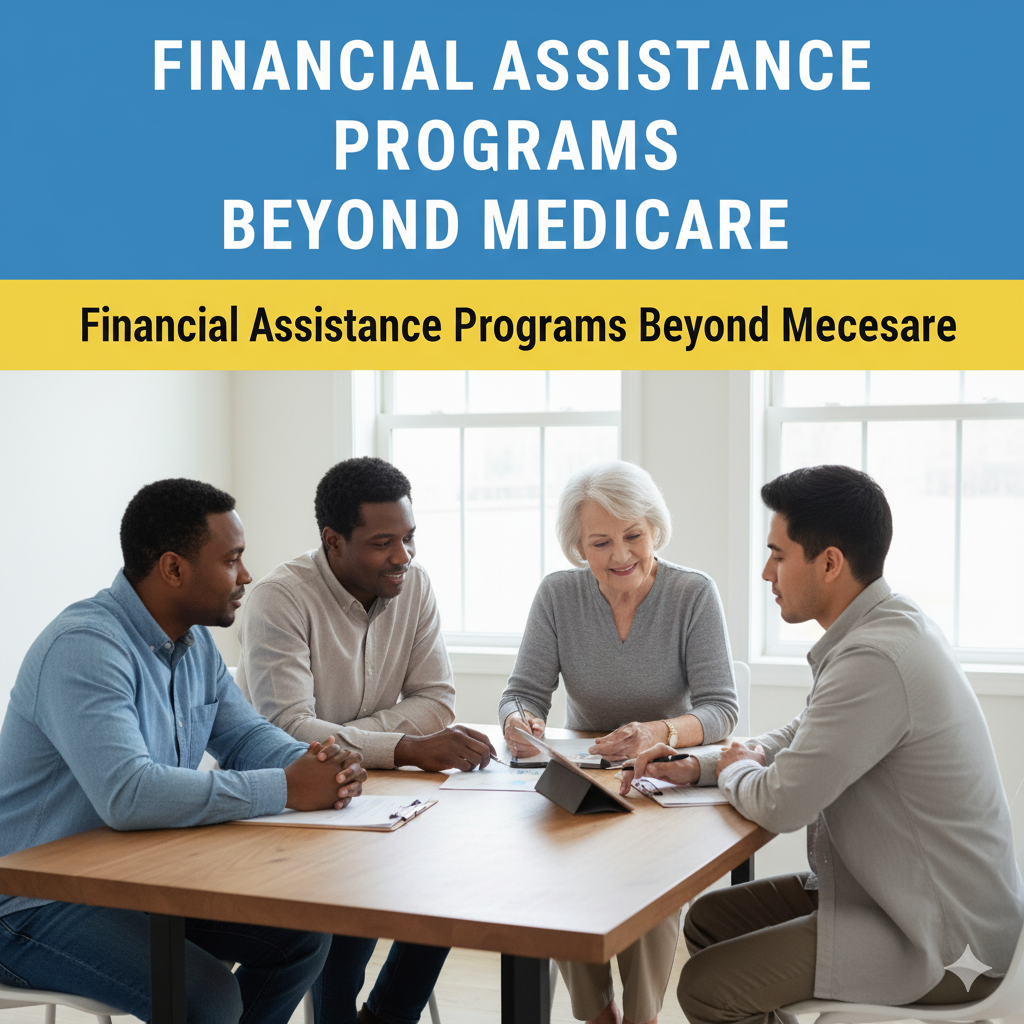
If you’re looking for financial assistance for bathroom remodeling beyond Medicare, you might consider Medicaid home modifications.
Many states offer assistance programs that can help cover the costs of necessary upgrades.
Exploring these options can provide you with the support you need to create a safer, more accessible bathroom.
Medicaid Home Modifications
While Medicare offers limited coverage for home modifications, Medicaid provides additional financial assistance for seniors seeking to adapt their living spaces.
To qualify, you’ll need to meet certain Medicaid eligibility requirements and adhere to home modification guidelines. Here are key aspects to evaluate:
- Home Assessment: An evaluation to determine necessary modifications.
- Approved Modifications: Items like grab bars, ramps, and wider doorways.
- Funding Limits: State-specific caps on the financial assistance provided.
- Application Process: Steps to apply for Medicaid funding for home modifications.
Understanding these factors can help you make informed decisions about your home adaptation needs.
State Assistance Programs
Many seniors may not realize that state assistance programs can provide valuable financial support for home modifications beyond what Medicare covers. These programs often offer state funding tailored to your specific needs. To determine program eligibility, you’ll need to check your state’s requirements and application process.
| Program Name | State Funding Available | Eligibility Criteria |
|---|---|---|
| Home Accessibility | Up to $10,000 | 65+, low income |
| Safe at Home Grant | Up to $5,000 | 60+, disabled |
| Aging in Place Program | Up to $15,000 | 65+, needs assessment |
Explore these options to enhance your living space!
How to Navigate the Medicare Claims Process
Maneuvering the Medicare claims process can feel overwhelming, but understanding the steps involved can make it much simpler.
Follow these steps for successful claims submission:
- Gather Documentation: Collect all necessary documents, such as receipts and prescriptions.
- Submit Your Claim: Complete the required forms and submit them to Medicare.
- Monitor Your Claim: Track the status of your claim online or by contacting Medicare directly.
- Understand the Appeal Process: If your claim is denied, review the denial letter and file an appeal within the specified timeframe.
Tips for Choosing a Qualified Contractor
Choosing a qualified contractor for your bathroom remodeling project can greatly impact the outcome, so it’s crucial to do your homework. Start by checking contractor credentials, such as licenses and insurance. Ask for references and read reviews to guarantee quality work. Discuss project timelines upfront to avoid delays.
| Factor | Importance | Questions to Ask |
|---|---|---|
| Contractor Credentials | Guarantees reliability | What licenses do you hold? |
| Previous Experience | Indicates expertise | Can you show past projects? |
| Project Timelines | Affects overall schedule | How long will the project take? |
Conclusion
In conclusion, while Medicare may not cover all bathroom remodeling costs, it can assist with necessary modifications that enhance safety and mobility for seniors. Features like grab bars, walk-in tubs, and roll-in showers could qualify for coverage if prescribed by a healthcare provider. To maximize your benefits, consult with your healthcare team and explore additional financial assistance programs. Understanding the claims process and choosing a qualified contractor will help guarantee your bathroom is both safe and accessible.