
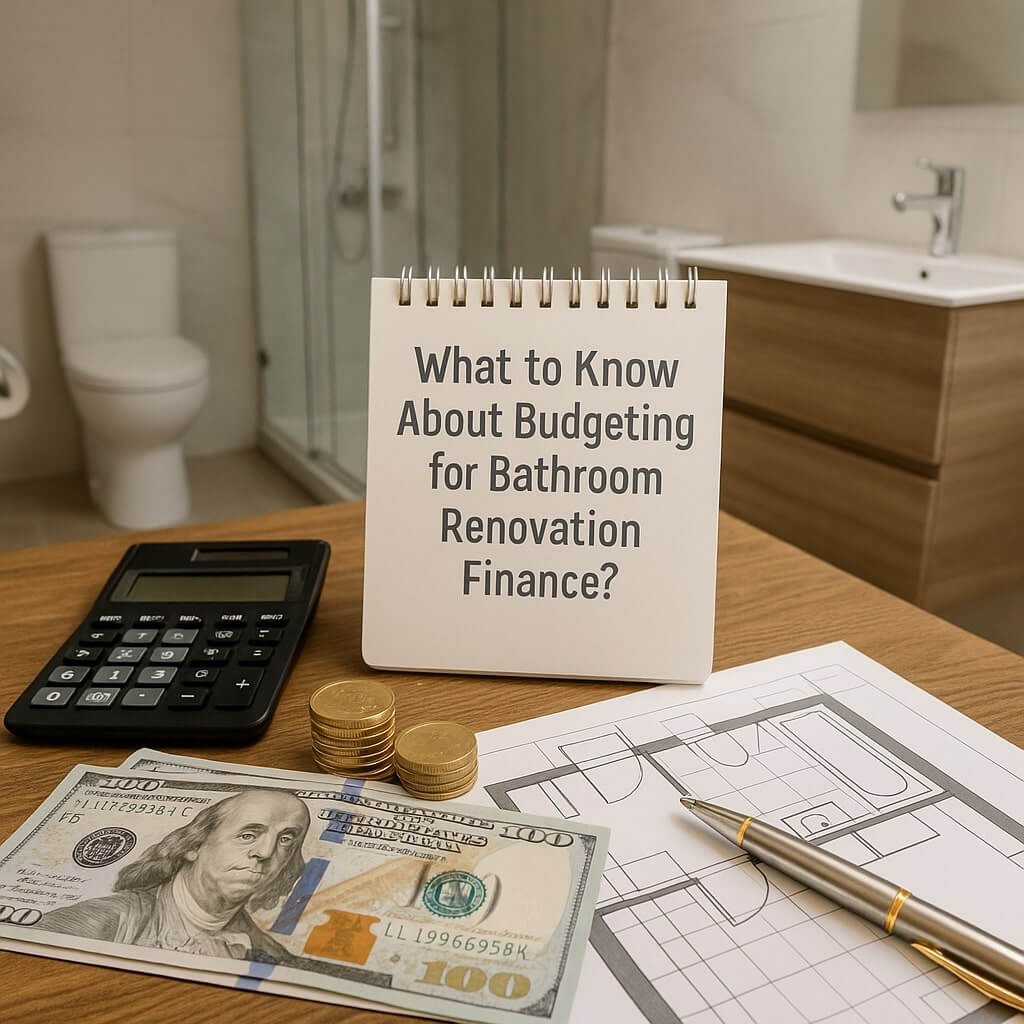
When budgeting for a bathroom renovation, you need to assess your goals carefully. Understanding the layout and necessary upgrades is key. You’ll find it crucial to break down costs into specific categories, from materials to labor. Unexpected expenses can arise, so planning for those is indispensable. How you allocate your funds can make a significant difference in the outcome of your project. Let’s explore the steps to guarantee you stay on track financially.
Key Takeaways
- Define essential versus nice-to-have elements to prioritize your bathroom renovation effectively.
- Research average costs for fixtures, flooring, and labor to inform your budget decisions.
- Allocate funds for unexpected expenses, including plumbing issues and structural repairs.
- Break down costs into categories like materials, labor, and permits for clearer financial tracking.
- Monitor daily expenses and set limits to stay within your overall renovation budget.
Understanding Your Renovation Goals

What do you envision for your bathroom renovation? Start by defining priorities; decide what elements are essential versus those that are nice to have. This clarity will guide your decisions and help you stay focused on what truly matters.
Next, consider setting timelines for each phase of the project. Establishing deadlines will keep you accountable and guarantee you don’t get sidetracked.
By combining priority definition with a structured timeline, you’ll create a roadmap for your renovation that minimizes stress and maximizes satisfaction.
Researching Average Costs
With your renovation goals clearly defined, it’s time to explore the financial side of your project. Researching average cost estimates is essential for understanding renovation price trends and ensuring you stay within budget. Check local resources and recent surveys to gauge what others are spending in your area. This information will help you make informed decisions.
| Item | Average Cost Estimate | Price Trend |
|---|---|---|
| Fixtures | $1,200 | Rising |
| Flooring | $1,500 | Stable |
| Labor | $2,000 | Increasing |
Creating a Detailed Budget Plan
As you explore the specifics of your bathroom renovation, creating a detailed budget plan is essential for maintaining financial control throughout the project.
Start by evaluating your bathroom layout and identifying necessary changes or upgrades. Break down costs into categories such as materials, labor, and permits.
Be sure to account for fixture selection, as choices like sinks, faucets, and lighting can greatly impact your budget. Research prices thoroughly and consider setting aside a portion of your budget for potential upgrades or adjustments.
This structured approach will help you stay on track and avoid overspending during your renovation journey.
Allocating Funds for Unexpected Expenses
While planning your bathroom renovation budget, it’s essential to allocate funds for unexpected expenses that may arise during the process. Setting aside an emergency fund guarantees you’re prepared for surprises. Contingency planning can save you from financial strain.
Here’s a simple breakdown of potential unexpected costs:
| Expense Type | Estimated Cost | Importance |
|---|---|---|
| Plumbing Issues | $500 – $1,500 | High |
| Structural Repairs | $1,000 – $3,000 | Critical |
| Design Changes | $300 – $800 | Moderate |
| Permit Fees | $100 – $500 | Necessary |
Choosing the Right Materials
When choosing materials for your bathroom renovation, consider both durability and cost.
You’ll want to strike a balance between quality and budget, ensuring your selections withstand moisture and wear while fitting your financial plan.
Evaluating these factors will help you make informed decisions that enhance both the functionality and aesthetics of your space.
Material Durability Considerations
Choosing the right materials for your bathroom renovation isn’t just about aesthetics; it’s essential for guaranteeing longevity and functionality.
Consider the material lifespan of options like porcelain tiles or quartz countertops, which offer durability over time. Evaluate the maintenance requirements as well; some materials, such as natural stone, may need sealing and regular upkeep, while others like fiberglass require minimal care.
By prioritizing durability, you’ll not only enhance the bathroom’s appearance but also reduce long-term costs associated with repairs or replacements.
Make informed choices that align with your lifestyle and preferences to guarantee a lasting, functional space.
Cost vs. Quality Balance

Balancing cost and quality is essential for a successful bathroom renovation, as opting for cheaper materials can lead to higher expenses down the line.
When choosing the right materials, consider these factors:
- Durability – Invest in materials that withstand moisture and wear.
- Aesthetics – Luxury finishes can elevate your space without excessive spending.
- Maintenance – Cost effective solutions often require less upkeep.
- Longevity – Quality materials save money over time through fewer replacements.
Hiring Contractors vs. DIY
While some homeowners relish the idea of tackling bathroom renovations themselves, others find that hiring contractors is a more efficient choice. Understanding your DIY skills versus the qualifications of a contractor can greatly impact your project’s success.
| Aspect | DIY Skills | Contractor Qualifications |
|---|---|---|
| Experience | Varies widely | Usually extensive |
| Cost | Potentially lower | Higher, but with warranties |
| Time Commitment | Might take longer | Often quicker completion |
Evaluating these factors will help you decide which route best suits your renovation needs and budget. Consider your comfort level and project complexity.
Financing Options for Your Renovation
As you plan your bathroom renovation, exploring financing options can greatly influence your project’s feasibility and scope.
Here are four financing options to evaluate:
- Personal Loans: Unsecured loans that offer flexibility and quick access to funds.
- Home Equity Loans: Leverage your home’s value for larger renovations at lower interest rates.
- Credit Cards: Useful for smaller expenses, but watch out for high-interest rates.
- FHA 203(k) Loans: Government-backed loans specifically for home improvements.
Evaluating these options will help you determine the best fit for your financial situation and renovation goals.
Tracking Your Spending Throughout the Project
Tracking your spending during a bathroom renovation is essential to staying within your budget.
By monitoring daily expenses, you can quickly identify any overspending and adjust your plans accordingly.
Utilizing budgeting tools can streamline this process, helping you maintain control over your financial commitments.
Monitor Daily Expenses
Keeping a close eye on daily expenses is essential during your bathroom renovation project. Effective expense monitoring helps you stay within budget and avoid unexpected costs.
Consider these steps for daily tracking:
- Record every transaction: Note all purchases, no matter how small.
- Categorize expenses: Group costs by materials, labor, and permits.
- Set daily limits: Determine a spending cap to keep your budget in check.
- Review regularly: Analyze your spending weekly to identify trends and adjust as necessary.
Utilize Budgeting Tools
While managing your bathroom renovation budget, utilizing budgeting tools can greatly enhance your ability to track spending effectively. Budgeting apps and expense trackers allow you to monitor costs in real-time, providing clarity and preventing overspending.
Here’s a quick overview of budgeting tools you might consider:
| Tool Type | Features | Recommended Apps |
|---|---|---|
| Budgeting Apps | Goal setting, forecasts | Mint, YNAB |
| Expense Trackers | Transaction categorization | Expensify, PocketGuard |
| Spreadsheet | Customizable templates | Google Sheets, Excel |
| Financial Software | Detailed reports | QuickBooks, FreshBooks |
Using these tools can keep your project on track.
Conclusion
To sum up, budgeting for your bathroom renovation requires careful planning and research. By understanding your goals, researching average costs, and creating a detailed budget, you can allocate funds effectively. Don’t forget to set aside money for unexpected expenses and choose quality materials. Whether you hire contractors or take a DIY approach, tracking your spending throughout the project will help you stay on course. With diligence and foresight, you can achieve your dream bathroom without breaking the bank.